
School year at a secondary school in Australia
Choose the exotic and the authentic by following your school programme at a secondary school in Australia with Move and Study.
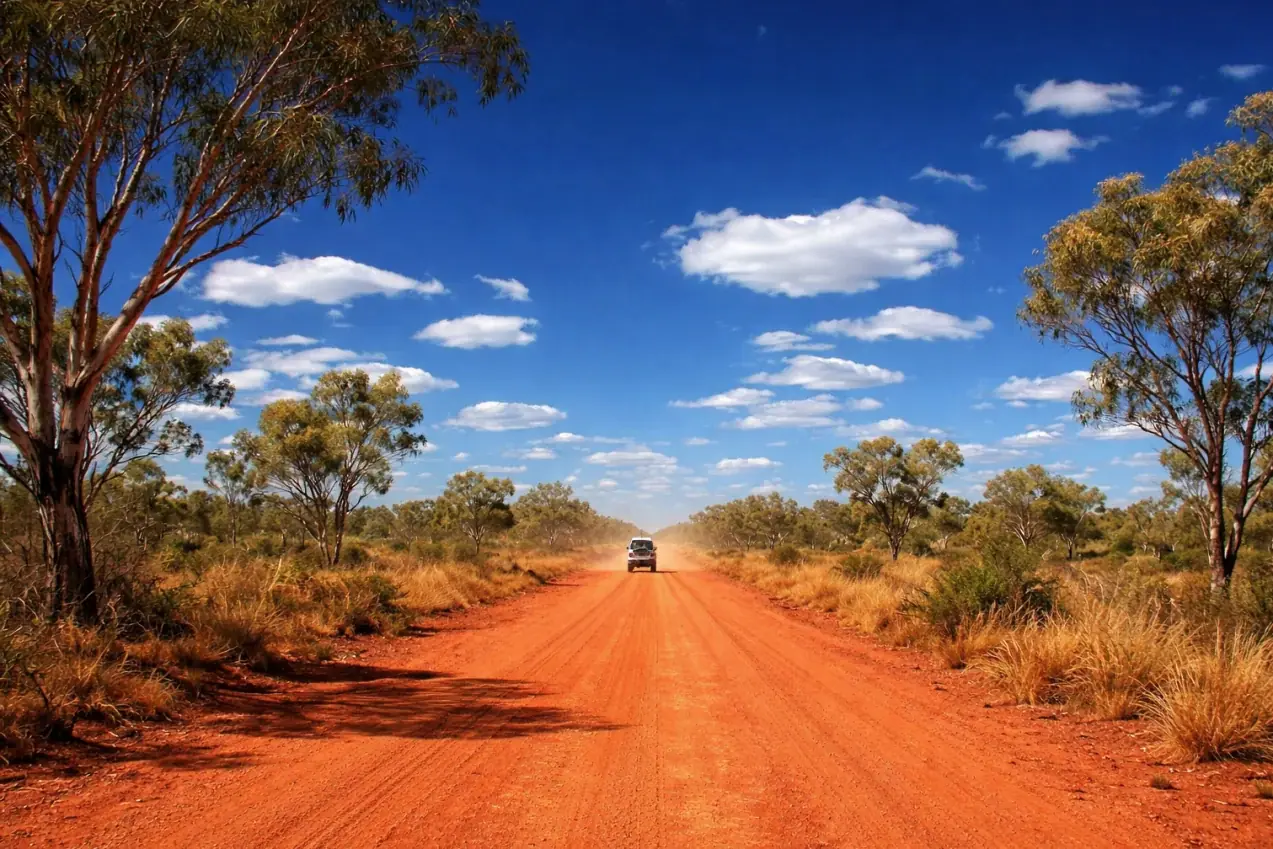
High School Australia
A full school immersion to experience daily life at a local secondary school, improve your language skills and discover a new culture with Move and Study.
Choose the exotic and the authentic by following your school programme at a secondary school in Australia with Move and Study.
The key points before preparing a school year in Australia.
A term, a semester or a full school year depending on the project and the calendar.
The Australian school year runs from late January to early December, with the possibility of adapting the project.
Curriculum based on eight main areas: English, mathematics, science, arts, languages, technology, sport and social sciences.
Surfing, the seabed, dance, drama and many extracurricular activities depending on the school.
Possibility of selecting several schools or destinations according to preferences.
The source highlights a flexible project: choice of school, immersion with a family, the Australian school calendar and a wide range of extracurricular activities.

More than fifty quality schools welcome international pupils for durations ranging from a term to a full school year.

Host families and the wealth of extracurricular activities are highlighted as strong points of the experience.
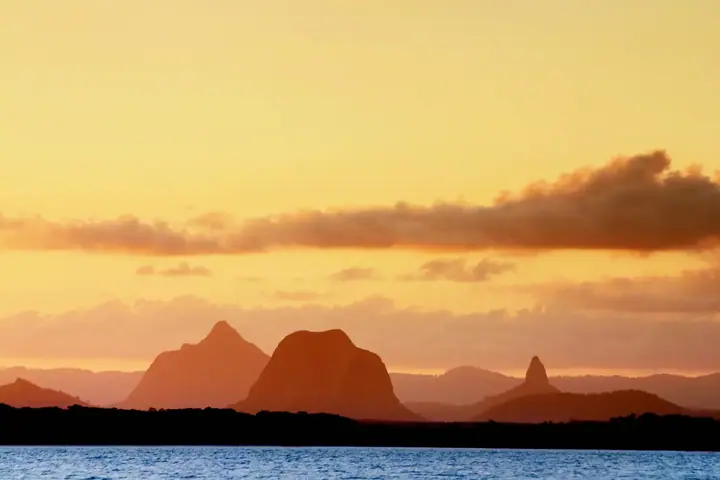
Gold Coast, Sunshine Coast, Brisbane and other options make it possible to adapt the project to the pupil's profile.
During your stay in the heart of Australia, you will be dazzled by its majestic landscapes, its unique animals and, above all, by the kind welcome of its people. It is an extraordinary opportunity to perfect your English while immersing yourself in the local culture. Many students who came before us never stopped praising the excellence of our host families and the wealth of extracurricular activities on offer. For example, one of our students chose surfing, another the study of the seabed, while others chose more traditional activities such as dance or drama.
As for the school system, the year is divided into four separate terms, broken up by two-week holidays, not forgetting the summer holidays. School days generally start at 8.30 am and end at around 3 pm. Although the Australian school year, from late January to early December, is out of step with Europe, with Move and Study you have the possibility of aligning your school year with the European calendar.
The Australian education system places great value on independence, preparing pupils from an early age to carry out research and gather information, individually or in groups.
This encourages rewarding interaction not only between pupils, but also between pupils and teachers.
Another important point to note is that every pupil is required to wear a uniform. Far from being a constraint, this creates a sense of belonging and equality among the pupils.
Every school is required to offer a curriculum based on eight main areas: mathematics, English, social sciences, pure sciences, arts, foreign languages, technology and physical education. Secondary schools, in particular, offer a multitude of other rewarding opportunities, with easy access to new technologies and laboratories.
What is more, with Move and Study you have the privilege of choosing from three schools, according to your preferences. Popular destinations include Gold Coast, Sunshine Coast and Brisbane, but many other options are open to you.
Brisbane: The Epicentre of City Life and Outdoor Activities
Brisbane, Australia's third largest city, shines through its international and contemporary atmosphere. More than 15 award-winning schools are dotted across this region. Note: the Excellence Programmes offering sports training supervised by professionals for enthusiasts.
Gold Coast: Tourist and Retail Epicentre
Just 70 km from Brisbane, discover the Gold Coast, with its flagship attractions such as the largest shopping centre in Australia.
Cairns: A Natural Gem Near the Great Barrier Reef
Cairns, a lively city of 120 000 inhabitants, is famous for its breathtaking natural wonders. The schools in the region focus on marine studies, music and a variety of sports.
Sunshine Coast: Diving and Marine Biology in the Spotlight
An hour from Brisbane, the Sunshine Coast offers a myriad of activities linked to the sea. The schools here favour marine biology lessons and water sports.
The era of the first inhabitants: Around 65 000 years ago, the first inhabitants, known today as Aboriginal peoples, arrived in Australia from South-East Asia. These peoples developed diverse cultures, languages and traditions, adapted to the different regions of the continent, from the arid deserts of the interior to the rainforests of the north.
Discovery by the Europeans: Although Indonesian and Chinese navigators may have reached the Australian coasts before them, it is the Dutch navigator Willem Janszoon who is generally credited with the first documented European encounter with Australia in 1606. Later, in 1770, Captain James Cook, sailing on behalf of Great Britain, mapped the east coast and claimed the territory for the British crown.
British colonisation: In 1788, the first British fleet arrived in Sydney, establishing the colony of New South Wales. Initially envisaged as a penal colony because of the lack of prisons in Great Britain, Australia quickly became a land of opportunity for migrants.
Towards independence: In the 19th century, as the population grew and resources such as gold were discovered, the idea of a united nation took shape. In 1901, the six colonies of Australia federated to become the Commonwealth of Australia, while remaining a dominion of the British Empire. Australia gradually acquired its legislative independence throughout the 20th century.
Modern Australia: During the 20th century, Australia positioned itself on the world stage, taking part in many wars alongside the Allies and strengthening its ties with other nations, in particular through the creation of ANZUS in 1951 with New Zealand and the United States. The second half of the century was marked by social and economic reforms, and by greater recognition of the rights of Aboriginal peoples.
Today, Australia is recognised for its cultural diversity, its robust economy, its breathtaking landscapes and its active role in international affairs.
The era of the first inhabitants: Around 65 000 years ago, the first inhabitants, known today as Aboriginal peoples, arrived in Australia from South-East Asia. These peoples developed diverse cultures, languages and traditions, adapted to the different regions of the continent, from the arid deserts of the interior to the rainforests of the north.
Discovery by the Europeans: Although Indonesian and Chinese navigators may have reached the Australian coasts before them, it is the Dutch navigator Willem Janszoon who is generally credited with the first documented European encounter with Australia in 1606. Later, in 1770, Captain James Cook, sailing on behalf of Great Britain, mapped the east coast and claimed the territory for the British crown.
British colonisation: In 1788, the first British fleet arrived in Sydney, establishing the colony of New South Wales. Initially envisaged as a penal colony because of the lack of prisons in Great Britain, Australia quickly became a land of opportunity for migrants.
Towards independence: In the 19th century, as the population grew and resources such as gold were discovered, the idea of a united nation took shape. In 1901, the six colonies of Australia federated to become the Commonwealth of Australia, while remaining a dominion of the British Empire. Australia gradually acquired its legislative independence throughout the 20th century.
Modern Australia: During the 20th century, Australia positioned itself on the world stage, taking part in many wars alongside the Allies and strengthening its ties with other nations, in particular through the creation of ANZUS in 1951 with New Zealand and the United States. The second half of the century was marked by social and economic reforms, and by greater recognition of the rights of Aboriginal peoples.
Today, Australia is recognised for its cultural diversity, its robust economy, its breathtaking landscapes and its active role in international affairs.
This encourages rewarding interaction not only between pupils, but also between pupils and teachers.
Another important point to note is that every pupil is required to wear a uniform. Far from being a constraint, this creates a sense of belonging and equality among the pupils.
Every school is required to offer a curriculum based on eight main areas: mathematics, English, social sciences, pure sciences, arts, foreign languages, technology and physical education. Secondary schools, in particular, offer a multitude of other rewarding opportunities, with easy access to new technologies and laboratories.
What is more, with Move and Study you have the privilege of choosing from three schools, according to your preferences. Popular destinations include Gold Coast, Sunshine Coast and Brisbane, but many other options are open to you.
This encourages rewarding interaction not only between pupils, but also between pupils and teachers.
Another important point to note is that every pupil is required to wear a uniform. Far from being a constraint, this creates a sense of belonging and equality among the pupils.
Every school is required to offer a curriculum based on eight main areas: mathematics, English, social sciences, pure sciences, arts, foreign languages, technology and physical education. Secondary schools, in particular, offer a multitude of other rewarding opportunities, with easy access to new technologies and laboratories.
What is more, with Move and Study you have the privilege of choosing from three schools, according to your preferences. Popular destinations include Gold Coast, Sunshine Coast and Brisbane, but many other options are open to you.
The era of the first inhabitants: Around 65 000 years ago, the first inhabitants, known today as Aboriginal peoples, arrived in Australia from South-East Asia. These peoples developed diverse cultures, languages and traditions, adapted to the different regions of the continent, from the arid deserts of the interior to the rainforests of the north.
Discovery by the Europeans: Although Indonesian and Chinese navigators may have reached the Australian coasts before them, it is the Dutch navigator Willem Janszoon who is generally credited with the first documented European encounter with Australia in 1606. Later, in 1770, Captain James Cook, sailing on behalf of Great Britain, mapped the east coast and claimed the territory for the British crown.
British colonisation: In 1788, the first British fleet arrived in Sydney, establishing the colony of New South Wales. Initially envisaged as a penal colony because of the lack of prisons in Great Britain, Australia quickly became a land of opportunity for migrants.
Towards independence: In the 19th century, as the population grew and resources such as gold were discovered, the idea of a united nation took shape. In 1901, the six colonies of Australia federated to become the Commonwealth of Australia, while remaining a dominion of the British Empire. Australia gradually acquired its legislative independence throughout the 20th century.
Modern Australia: During the 20th century, Australia positioned itself on the world stage, taking part in many wars alongside the Allies and strengthening its ties with other nations, in particular through the creation of ANZUS in 1951 with New Zealand and the United States. The second half of the century was marked by social and economic reforms, and by greater recognition of the rights of Aboriginal peoples.
Today, Australia is recognised for its cultural diversity, its robust economy, its breathtaking landscapes and its active role in international affairs.
Visa fees, flights, insurance, pocket money, uniforms, local transport and specific school costs must be confirmed before registration.
The exact requirements depend on the age, the school level, the English level, the duration and the school chosen. An individual discussion makes it possible to confirm the profile before the application.
The source presents several Australian landmarks that are useful for understanding the possible school environments, without creating a child page in this round.

A coastal destination linked to the world of surfing and to an international school setting.
A major Queensland city, with more than fifteen award-winning schools and a lively urban life.
The natural environment of Queensland, between coastline, the outdoors and schools open to international pupils.

A region highlighted by the source for the quality of its schools and its pleasant climate.
Move and Study supports the family in choosing the programme, putting the application together, preparing for departure and following up during the stay.
An adviser can help you compare regions, schools, durations and the stages of the application.